For optimal air quality and fan longevity, you should dust your bedroom ceiling fan at least once a week for quick maintenance, perform a more comprehensive wipe-down once a month, and conduct a deep cleaning every three months. This schedule helps prevent significant dust accumulation, which can degrade indoor air quality and impact health.
The Importance of a Clean Ceiling Fan
Dust is an inevitable part of any home environment, a mixture of outdoor particles like dirt, pollen, and soot, combined with indoor elements such as human skin cells, pet dander, hair, and fabric fibers. Your bedroom, with its textiles and frequent use, is often a prime location for dust accumulation. Ceiling fans, especially, act like giant magnets for these particles. Their broad blades and elevated position make them ideal surfaces for dust to settle undisturbed.
When a dusty fan is switched on, these accumulated particles are flung into the air, effectively becoming an indoor dust storm. This recirculation significantly degrades indoor air quality, which can trigger or worsen allergies, asthma, and other respiratory issues for residents. Beyond health implications, a thick layer of dust on fan blades can create an unsightly appearance, emit a musty odor when the fan is running, and even lead to operational problems. Unbalanced blades due to uneven dust buildup can cause the fan to wobble, produce unusual noises, and potentially shorten its lifespan by straining the motor.
Recommended Dusting Frequency for Bedroom Ceiling Fans
Determining the perfect dusting schedule for your bedroom ceiling fan isn’t a one-size-fits-all answer, as several factors come into play. However, a general approach involves a combination of quick, regular dusting and more thorough deep cleaning.
For most typical households, a quick dusting of your bedroom ceiling fan at least once a week is a good practice to prevent significant dust accumulation. This can be easily incorporated into your regular bedroom cleaning routine. In addition, performing a more comprehensive wipe-down once a month is advisable to tackle any stubborn grime that might be forming.
For optimal performance and to ensure thorough cleanliness, a deep cleaning of your ceiling fan every three months is generally recommended. This quarterly clean allows you to address dust that might have settled in harder-to-reach areas or on the motor housing.
Factors That Influence Cleaning Frequency:
- Pets: If you have furry friends in your home, especially those that shed, you will likely need to dust your fan more frequently, potentially twice a week for quick dusting and every two months for a deep clean, as pet dander significantly contributes to dust.
- Allergies or Asthma: For individuals sensitive to airborne particles, increased dusting frequency, perhaps every few days, will be essential to maintain a healthier breathing environment.
- Dusty Environment: Homes located in areas with heavy outdoor dust, pollution, or during periods of construction nearby will accumulate dust faster.
- High Usage: A fan that runs daily for extended periods will naturally gather and redistribute dust more quickly than one used only occasionally.
- Open Windows: Keeping bedroom windows open frequently can introduce more outdoor dust and pollen, necessitating more frequent cleaning.
Conversely, if your bedroom is in a very clean environment, has minimal foot traffic, and the fan is used sparingly, you might be able to extend the time between comprehensive cleanings.
Signs Your Ceiling Fan Needs Dusting
Often, your ceiling fan will give you clear indicators when it’s due for a good cleaning. Paying attention to these signs can help you maintain a clean environment and extend the life of your appliance.
The most obvious sign is visible dust buildup on the fan blades or motor housing. You might notice a fuzzy, grayish layer, or even small dust bunnies clinging to the edges of the blades. This accumulation is a direct visual cue that it’s time to act.
Another indicator is a musty or stale smell in your bedroom, especially when the fan is running. Dust can collect odors over time, and when the fan circulates air, it can disseminate these unpleasant smells throughout the room. If the air in your room feels less fresh despite the fan running, dirt on the blades could be the culprit.
If your fan begins to wobble or make unusual noises that weren’t present before, it could be a sign of imbalanced blades. Uneven dust accumulation can throw the blades off balance, leading to vibrations and mechanical stress. Addressing this promptly with a cleaning can often resolve the issue.
Finally, if you or other occupants in the bedroom experience increased allergy symptoms such as sneezing, itchy eyes, or a runny nose, a dirty ceiling fan might be contributing to the elevated allergen levels in the air. Regular cleaning of the fan can significantly mitigate these airborne irritants.
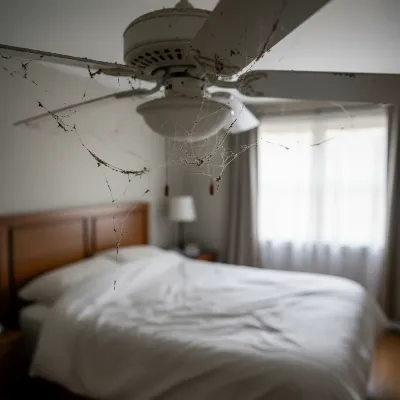 Dusty bedroom ceiling fan blades showing visible accumulation of dirt and grime, highlighting the need for cleaning
Step-by-Step Guide to Dusting Your Bedroom Ceiling Fan
Cleaning your bedroom ceiling fan effectively doesn’t have to be a daunting task. With the right tools and a systematic approach, you can quickly restore its cleanliness and efficiency. Always prioritize safety before beginning any cleaning.
Safety First:
|
Our Picks for the Best Ceiling Fan in 2026
As an Amazon Associate I earn from qualifying purchases.
|
||
| Num | Product | Action |
|---|---|---|
| 1 | Passky Ceiling Fans with Lights, 52 inch Flush Mount Ceiling fan with Remote Control, Low Profile Ceiling Fan for Bedroom, Farmhouse, Reversible, 3CCT, Dimmable, Noiseless DC Motor, Black |

|
| 2 | Passky Ceiling Fans with Lights, 52 inch Sleek Ceiling Fan with Light and Remote Control, 3CCT, Dimmable, Reversible, Noiseless, Black Ceiling Fan for Bedroom, Living Room |
|
| 3 | OJX Ceiling Fans with Lights, 52 inch Ceiling fan with Light and Remote/APP Control, 3CCT, Quiet DC Reversible, Dimmable, Modern Ceiling Fan for Bedroom, Living Room, Kitchen, Indoor/Outdoor Use |
|
| 4 | Ceiling Fan with Light, 40" Black Flush Mount Ceiling Fans with Remote Control,3CCT Dimmable LED, ABS 5-Fan Blades,Reversible Motor,Quiet Low Profile Indoor fandeliers for Bedroom Living Room |
|
| 5 | Amico Ceiling Fans with Lights, 42 inch Low Profile Ceiling fan with Light and Remote Control, Flush Mount, Reversible, 3CCT, Dimmable, Noiseless, Black Ceiling Fan for Bedroom, Indoor/Outdoor Use |
|
| 6 | 41 inch Ceiling Fans with Lights, Black Flush Mount Ceiling Fan with Remote, 3CCT, LED Dimmable, Reversible, 6 Fan Speeds, Quite Low Profile Ceiling Fan with Lights Modern Bedroom Kitchen Indoor |
|
| 7 | 41" Black Low Profile Ceiling Fans with Lights and Remote, Modern Flush Mount Ceiling Fan Light with Quiet Reversible DC Motor for Bedroom Kitchen |
|
| 8 | ZMISHIBO 52 Inch Ceiling Fan with Light, App&Remote Control, Flush Mount Low Profile, Dimmable 20W LED Light, Quiet Reversible Motor for Bedroom, Living Room, Apartment, Black |
|
| 9 | ZMISHIBO Ceiling Fans with Lights and Remote, 19.7'' Low Profile Ceiling Fan, 3000-6000K Dimmable Modern Flush Mount LED Fan Light, 6 Wind Speeds, Black Fandelier Ceiling Fans for Bedroom |
|
| 10 | Ceiling Fans with Lights, 42 Inch Ceiling Fan with Light And Remote, 3CCT Flush Moun Low Profile Ceiling Fans, 6 Speed Noiseless LED Ceiling Fan, Black Ceilings Fan with Remote for Bedroom Living Room |
|
- Turn Off Power: Before touching the fan, always switch off the power at the wall switch and, ideally, at the circuit breaker to prevent accidental activation. This eliminates the risk of injury from rotating blades.
- Stable Access: Use a sturdy step stool or a ladder that can support your weight and allow you to comfortably reach all parts of the fan without overstretching. Have someone spot you if using a taller ladder.
Tools Needed:
- Microfiber cloth or old pillowcase
- Extendable duster (e.g., a lamb’s wool or microfiber duster)
- Mild all-purpose cleaner (optional, for deep cleaning)
- Vacuum cleaner with brush attachment (optional, for heavy buildup)
Quick Dusting Method (Weekly/Monthly):
- Prepare the Area: Lay a drop cloth or old sheet on the floor directly beneath the fan to catch any falling dust.
- Blade Cleaning with a Pillowcase: For effective, mess-free dusting, take an old pillowcase and carefully slide one fan blade inside it. As you pull the pillowcase back, the dust will be trapped inside, preventing it from scattering into the room. Repeat for each blade.
- Wipe Down: Use a slightly damp microfiber cloth to gently wipe down the top and bottom of each blade, removing any remaining film or dust.
- Housing and Light Fixture: Use an extendable duster or a damp cloth to clean the motor housing and any light fixtures, ensuring all accessible surfaces are free of dust.
Deep Cleaning Method (Quarterly/Bianually):
For a more thorough clean, especially if there’s significant grime buildup:
- Disassemble (If Possible): Consult your fan’s manual to see if the blades or light covers can be easily detached. Cleaning them separately on the ground can be more effective.
- Vacuum Heavy Dust: If there’s a very thick layer of dust, use a vacuum cleaner with a soft brush attachment to gently suction off the bulk of it before wiping.
- Clean Blades with Solution: After removing the initial dust, spray a mild all-purpose cleaner onto a microfiber cloth (never directly onto the fan). Wipe down each blade thoroughly, ensuring all residue is removed. For stubborn spots, a slightly abrasive sponge might be needed.
- Motor Housing and Canopy: Clean the motor housing and the canopy (the cover where the fan attaches to the ceiling) with a damp cloth and mild cleaner. Pay attention to vents and crevices where dust can hide.
- Light Fixture: If your fan has lights, carefully remove any glass shades and wash them in warm soapy water. Dry them completely before reinstalling.
- Reassemble and Test: Once all parts are clean and dry, reassemble any removed components, restore power, and test the fan to ensure it runs smoothly.
Beyond Dusting: Maintaining Your Ceiling Fan’s Longevity
Regular dusting is crucial, but a few additional maintenance steps can significantly extend your ceiling fan’s life and ensure optimal performance for years to come. These checks go beyond surface cleaning and address potential mechanical issues.
One important aspect is checking the blade balance. Over time, even without dust, blades can become slightly unbalanced due to subtle warping or loosening. An unbalanced fan leads to wobbling and excessive noise, which not only is annoying but also puts undue stress on the motor and mounting hardware. After cleaning, visually inspect the blades. If wobbling persists, consider purchasing a blade balancing kit, which typically includes small weights that can be strategically applied to the blades to restore balance.
Secondly, inspect the fan for general wear and tear. This includes looking for loose screws, especially where the blades attach to the motor, and checking the mounting bracket. Tighten any loose screws you find. Also, examine any visible wiring for fraying or damage. Addressing minor issues promptly can prevent them from escalating into more significant and costly repairs.
Finally, some ceiling fan motors require occasional lubrication. While many modern fans have sealed, maintenance-free bearings, older models or certain high-performance fans might benefit from a drop or two of specific motor oil. Always refer to your fan’s owner’s manual to determine if lubrication is necessary and, if so, what type of lubricant to use and how to apply it. Never use general household oils, as they can damage the motor. Following manufacturer guidelines for maintenance will ensure your fan operates efficiently and quietly for its full intended lifespan.
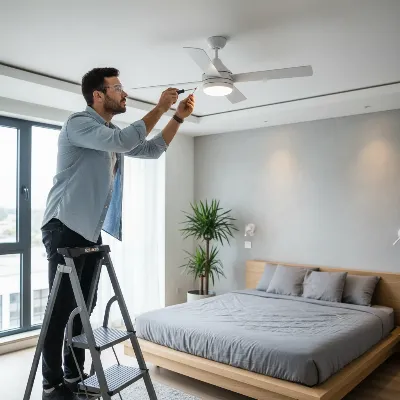 Person checking and maintaining a ceiling fan for longevity, illustrating wear and tear inspection and lubrication points
Where to Buy Reliable Ceiling Fans
Investing in a quality ceiling fan can make a significant difference in both performance and durability. When you’re ready to purchase a new or replacement fan, knowing where to find reliable products is key to ensuring you get a good value and a long-lasting appliance.
Large Appliance and Electronics Stores: Major retailers that specialize in home appliances and electronics are excellent places to start. These stores typically carry a wide selection of brands and models, from budget-friendly options to high-end designs. They often have display models that allow you to see the fan in person, assess its size, and sometimes even hear it operate. Sales associates can also provide information on features, warranties, and installation services.
Online Marketplaces: E-commerce giants offer an unparalleled variety of ceiling fans from numerous manufacturers, often at competitive prices. Shopping online provides the convenience of browsing extensive catalogs from home, reading customer reviews, and comparing specifications side-by-side. Be sure to check seller ratings, return policies, and shipping costs when buying online. Many brands also have their official stores on these platforms, ensuring authenticity.
Specialty Lighting and Fan Stores: For a more curated selection and expert advice, consider visiting stores that specialize specifically in lighting fixtures and ceiling fans. These retailers often have staff with in-depth knowledge of different fan types, motor technologies, and design styles. They can help you choose a fan that perfectly matches your aesthetic preferences and functional requirements, and may also offer professional installation services.
Regardless of where you choose to purchase, always look for fans with good energy efficiency ratings, positive customer feedback, and a strong manufacturer’s warranty. Checking reviews and product specifications carefully will help you make an informed decision and ensure you’re bringing a high-quality, reliable fan into your home.
Conclusion
Maintaining a clean bedroom ceiling fan is more than just a chore; it’s an essential practice for ensuring good indoor air quality, promoting a healthy living environment, and extending the life of your appliance. While a quick weekly dusting and a monthly wipe-down can prevent major buildup, a comprehensive deep clean every three months is vital for thoroughness. Factors like pets, allergies, and the general dustiness of your environment should always guide you in adjusting this frequency. By recognizing the signs of a dirty fan and following a consistent cleaning routine, you can enjoy a fresh, cool breeze without the worry of circulating dust and allergens. So, when did you last give your bedroom ceiling fan the attention it deserves?
Frequently Asked Questions
What kind of duster is best for ceiling fans?
For quick dusting, an extendable duster with a microfiber or lamb’s wool head is ideal as it can reach high blades easily. For more thorough cleaning, an old pillowcase is highly effective for trapping dust from individual blades, followed by a damp microfiber cloth for wiping surfaces clean.
Can a dirty ceiling fan cause allergies?
Yes, absolutely. Ceiling fans accumulate dust, pet dander, pollen, and other allergens on their blades. When the fan is turned on, these particles are redistributed into the air, which can trigger or worsen allergy symptoms, asthma, and other respiratory issues for sensitive individuals.
How often should I deep clean my ceiling fan?
For optimal performance and cleanliness, it is generally recommended to deep clean your ceiling fan every three months. However, if you have pets, suffer from allergies, or live in a particularly dusty area, increasing this frequency to every two months might be necessary to maintain good air quality.
Is it okay to use water to clean ceiling fan blades?
Yes, using a damp cloth with a small amount of water or a mild all-purpose cleaner is perfectly fine for cleaning ceiling fan blades, especially for deep cleaning. Always ensure the fan’s power is turned off before cleaning, and dry the blades thoroughly before turning the fan back on to prevent streaks or potential moisture damage.
Frequently Asked Questions
What kind of duster is best for ceiling fans?
For quick dusting, an extendable duster with a microfiber or lamb's wool head is ideal for reaching high blades. For more thorough cleaning, an old pillowcase effectively traps dust from individual blades, followed by a damp microfiber cloth for wiping surfaces clean.
Can a dirty ceiling fan cause allergies?
Yes, a dirty ceiling fan can absolutely cause allergies. Ceiling fans accumulate dust, pet dander, pollen, and other allergens on their blades, which are then redistributed into the air when the fan is turned on, triggering or worsening allergy symptoms and respiratory issues.
How often should I deep clean my ceiling fan?
For optimal performance and cleanliness, it is generally recommended to deep clean your ceiling fan every three months. However, if you have pets, suffer from allergies, or live in a particularly dusty area, increasing this frequency to every two months might be necessary to maintain good air quality.
Is it okay to use water to clean ceiling fan blades?
Yes, using a damp cloth with a small amount of water or a mild all-purpose cleaner is perfectly fine for cleaning ceiling fan blades, especially for deep cleaning. Always ensure the fan's power is turned off before cleaning, and dry the blades thoroughly before turning the fan back on to prevent streaks or potential moisture damage.
What are the signs that my ceiling fan needs dusting?
Key signs your ceiling fan needs dusting include visible dust buildup on the blades, a musty or stale smell when the fan is running, the fan wobbling or making unusual noises, and an increase in allergy symptoms among occupants. Addressing these signs promptly improves air quality and fan longevity.
How to Dust Your Bedroom Ceiling Fan
Effectively clean your bedroom ceiling fan to improve air quality and extend its lifespan with these step-by-step methods for quick and deep cleaning.
First, turn off the fan's power at the wall switch and circuit breaker for safety. Lay a drop cloth or old sheet on the floor directly beneath the fan to catch any falling dust, protecting your furniture and flooring.
For quick dusting, take an old pillowcase and carefully slide one fan blade inside it. As you pull the pillowcase back, the dust will be trapped inside, preventing it from scattering into the room. Repeat this process for each blade.
After using the pillowcase, use a slightly damp microfiber cloth to gently wipe down the top and bottom of each blade, removing any remaining film or dust. Then, use an extendable duster or a damp cloth to clean the motor housing and any light fixtures, ensuring all accessible surfaces are dust-free.
For a deep clean, if possible, disassemble the blades according to your fan's manual. Use a vacuum with a brush attachment for heavy dust, then spray a mild all-purpose cleaner onto a microfiber cloth (never directly on the fan) and thoroughly wipe each blade. Reassemble once dry.
If your fan has lights, carefully remove any glass shades and wash them in warm soapy water, drying them completely before reinstalling. Once all parts are clean and dry, reassemble any removed components, restore power, and test the fan to ensure it runs smoothly.

The advice on deep cleaning every three months is helpful, but honestly, getting up there to really scrub the blades is a bit of a hassle. I wish there was an easier way to reach them without having to get out a stepladder every time. My fan is pretty high up, so it’s not the quickest task.
I always knew dust was an issue, but the breakdown of what dust actually is (skin cells, pet dander, fabric fibers) really made me realize how important regular cleaning is. I’ve been following the recommended schedule for my living room fan, and I’ve noticed a significant reduction in the amount of visible dust floating around. My fan seems to run smoother too.
I used to just wipe my fan down whenever I remembered, which wasn’t often enough! Since reading about the weekly quick maintenance and monthly wipe-down, my bedroom air feels so much cleaner. It’s amazing how much dust those blades can collect, and I never really thought about how it impacts air quality until now. Definitely a game-changer for my allergies.
This information about preventing significant dust accumulation is spot on. I have two dogs, so pet dander is a constant battle. Since I started dusting my ceiling fan more frequently, especially in the bedroom, I’ve noticed less sneezing in the mornings. It really does make a difference for indoor air quality, just like it said.