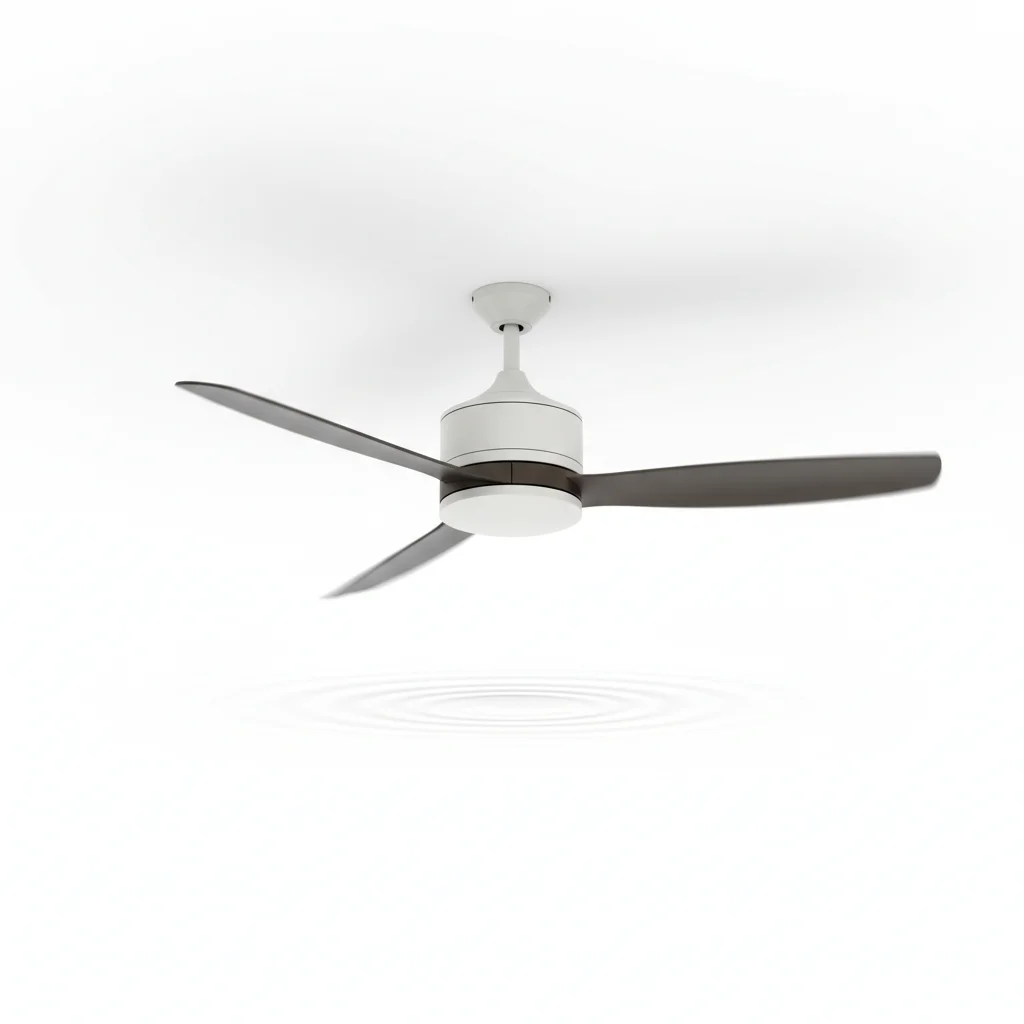
Choosing a quiet ceiling fan is crucial for maintaining a peaceful home environment, especially in bedrooms and living areas. The key to a truly silent model lies in a combination of motor type, blade material, and installation quality. Generally, fans with DC motors and solid, well-balanced blades tend to produce the least amount of noise, often operating below 35 decibels, which is comparable to a whisper.
Understanding Decibel Levels for Ceiling Fans
When evaluating ceiling fan noise, decibel (dB) ratings are your best friend. A fan operating at 30-40 dB is considered very quiet, ideal for sleeping or focused work. Fans in the 40-50 dB range are still relatively quiet but might be noticeable in a very silent room. Anything above 50 dB can become a distraction. Look for manufacturers who provide specific dB ratings, as this indicates confidence in their product’s quiet operation. For shop curated ceiling fans on this site.
The Role of Motor Type in Noise Reduction
The motor is the heart of your ceiling fan and a primary source of noise. Direct Current (DC) motors are significantly quieter and more energy-efficient than Alternating Current (AC) motors. DC motors offer smoother operation, precise speed control, and generate less heat, which contributes to a longer lifespan and reduced operational noise. While often a bit more expensive upfront, the long-term benefits in quietness and energy savings are substantial.
Blade Design and Material for Silent Operation
|
Our Picks for the Best Ceiling Fan in 2026
As an Amazon Associate I earn from qualifying purchases.
|
||
| Num | Product | Action |
|---|---|---|
| 1 | Passky Ceiling Fans with Lights, 52 inch Flush Mount Ceiling fan with Remote Control, Low Profile Ceiling Fan for Bedroom, Farmhouse, Reversible, 3CCT, Dimmable, Noiseless DC Motor, Black |

|
| 2 | OJX Ceiling Fans with Lights, 52 inch Ceiling fan with Light and Remote/APP Control, 3CCT, Quiet DC Reversible, Dimmable, Modern Ceiling Fan for Bedroom, Living Room, Kitchen, Indoor/Outdoor Use |
|
| 3 | 41" Black Low Profile Ceiling Fans with Lights and Remote, Modern Flush Mount Ceiling Fan Light with Quiet Reversible DC Motor for Bedroom Kitchen |
|
| 4 | Ceiling Fans with Lights, 42 Inch Ceiling Fan with Light And Remote, 3CCT Flush Moun Low Profile Ceiling Fans, 6 Speed Noiseless LED Ceiling Fan, Black Ceilings Fan with Remote for Bedroom Living Room |
|
| 5 | Passky Ceiling Fans with Lights, 52 inch Sleek Ceiling Fan with Light and Remote Control, 3CCT, Dimmable, Reversible, Noiseless, Black Ceiling Fan for Bedroom, Living Room |
|
| 6 | 41 inch Ceiling Fans with Lights, Black Flush Mount Ceiling Fan with Remote, 3CCT, LED Dimmable, Reversible, 6 Fan Speeds, Quite Low Profile Ceiling Fan with Lights Modern Bedroom Kitchen Indoor |
|
| 7 | ZMISHIBO 52 Inch Ceiling Fan with Light, App&Remote Control, Flush Mount Low Profile, Dimmable 20W LED Light, Quiet Reversible Motor for Bedroom, Living Room, Apartment, Black |
|
| 8 | Amico Ceiling Fans with Lights, 42 inch Low Profile Ceiling fan with Light and Remote Control, Flush Mount, Reversible, 3CCT, Dimmable, Noiseless, Black Ceiling Fan for Bedroom, Indoor/Outdoor Use |
|
| 9 | ZMISHIBO Ceiling Fans with Lights and Remote, 19.7'' Low Profile Ceiling Fan, 3000-6000K Dimmable Modern Flush Mount LED Fan Light, 6 Wind Speeds, Black Fandelier Ceiling Fans for Bedroom |
|
| 10 | Ceiling Fan with Light, 40" Black Flush Mount Ceiling Fans with Remote Control,3CCT Dimmable LED, ABS 5-Fan Blades,Reversible Motor,Quiet Low Profile Indoor fandeliers for Bedroom Living Room |
|
Beyond the motor, the design and material of the fan blades play a critical role in noise generation. Well-balanced, solid wood or high-quality ABS plastic blades are less prone to wobbling and vibration, which are common causes of noise. Lightweight or poorly balanced blades can create air turbulence and a humming sound. Look for fans with aerodynamically designed blades that move air efficiently without excessive drag or chop.
- Solid wood blades for natural dampening
- Balanced ABS plastic for durability and quietness
- Aerodynamic blade shapes to minimize air resistance
- Secure blade attachment to prevent wobbling
- Proper blade pitch for optimal airflow with less noise
Installation Best Practices for a Quiet Fan
Even the quietest fan can become noisy if not installed correctly. Ensure the mounting bracket is securely fastened to a ceiling joist or a fan-rated electrical box. Any looseness can lead to wobbling and rattling. Balance kits can help correct minor imbalances in blades. Always follow the manufacturer’s instructions precisely, and consider professional installation for optimal results.
Maintenance Tips to Keep Your Fan Quiet
Regular maintenance is essential for preserving your ceiling fan’s quiet operation. Dust accumulation on blades can throw off their balance, leading to wobbling and noise. Clean the blades regularly with a damp cloth. Check all screws and fasteners periodically to ensure they are tight. Lubricate the motor if recommended by the manufacturer, though many modern fans have sealed, maintenance-free motors. Addressing minor issues promptly can prevent them from escalating into louder problems.
Frequently Asked Questions
What decibel level is considered quiet for a ceiling fan?
A ceiling fan operating between 30-40 decibels (dB) is considered very quiet, making it ideal for bedrooms or workspaces. Fans in the 40-50 dB range are still relatively quiet but may be noticeable in extremely silent environments.
Do DC motors make ceiling fans quieter than AC motors?
Yes, Direct Current (DC) motors are significantly quieter and more energy-efficient than Alternating Current (AC) motors. DC motors provide smoother operation and precise speed control, contributing to reduced operational noise and a longer lifespan.
How do blade materials affect ceiling fan noise?
The material and design of fan blades significantly impact noise. Well-balanced, solid wood or high-quality ABS plastic blades are less prone to wobbling and vibration, which are common noise sources. Aerodynamically designed blades also minimize air resistance and chop.
Can improper installation cause a ceiling fan to be noisy?
Yes, even the quietest ceiling fan can become noisy if not installed correctly. Ensuring the mounting bracket is securely fastened to a ceiling joist or fan-rated electrical box is crucial. Loose connections can lead to wobbling and rattling sounds.
What maintenance steps keep a ceiling fan quiet?
Regular maintenance helps preserve quiet operation. Clean dust accumulation from blades to prevent imbalance, check all screws and fasteners periodically for tightness, and lubricate the motor if recommended by the manufacturer. Addressing minor issues promptly can prevent louder problems.
How to Choose a Quiet Ceiling Fan
Select a ceiling fan that operates silently by focusing on motor type, blade design, and proper installation for a peaceful home environment.
Look for ceiling fans with specified decibel (dB) ratings. Aim for models operating between 30-40 dB for very quiet performance, suitable for bedrooms and quiet spaces. Avoid fans above 50 dB if silence is a priority.
Choose fans equipped with Direct Current (DC) motors over Alternating Current (AC) motors. DC motors are inherently quieter, more energy-efficient, and offer smoother operation with precise speed control, reducing overall noise output.
Opt for fans with well-balanced, solid wood or high-quality ABS plastic blades. These materials are less prone to vibration and wobbling. Additionally, look for aerodynamically designed blades that efficiently move air with minimal drag or turbulence.
Confirm the fan's mounting bracket is securely fastened to a ceiling joist or a fan-rated electrical box. Proper installation prevents wobbling and rattling noises. Consider using a balance kit for minor blade imbalances or professional installation for optimal results.
Maintain your fan by regularly cleaning dust from the blades to prevent imbalance. Periodically check and tighten all screws and fasteners. Lubricate the motor if the manufacturer recommends it, though many modern fans feature sealed, maintenance-free motors.

The tip about checking decibel ratings was super helpful. I found a fan that advertised 38 dB, and it’s pretty good. It’s definitely quieter than my last one, though I can still hear a very faint hum if the room is absolutely silent. Still, a huge improvement for our living room.
Solid blades really do make a difference! My previous fan had flimsy plastic blades that vibrated, but the new one I got with more substantial, balanced blades is incredibly stable and quiet. It moves air effectively without any annoying noise, which is perfect for my home office.
I was so tired of my old fan rattling all night. After reading about DC motors here, I invested in a new model with one, and it’s a game-changer. It’s truly whisper-quiet, even on higher settings. My sleep has improved so much, and I barely even notice it’s on.
I tried to install a new fan myself, following some general tips, but I think the installation quality really does make a difference. Even with a supposedly quiet model, there’s a slight wobble and a bit of noise. I probably should’ve hired a professional like suggested. It’s not terrible, but not as silent as I hoped.